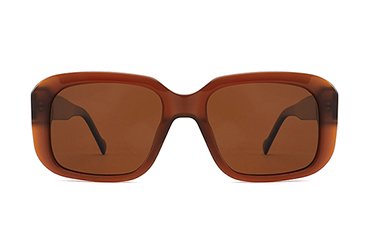
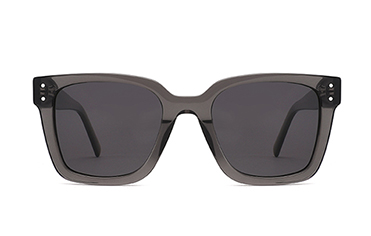
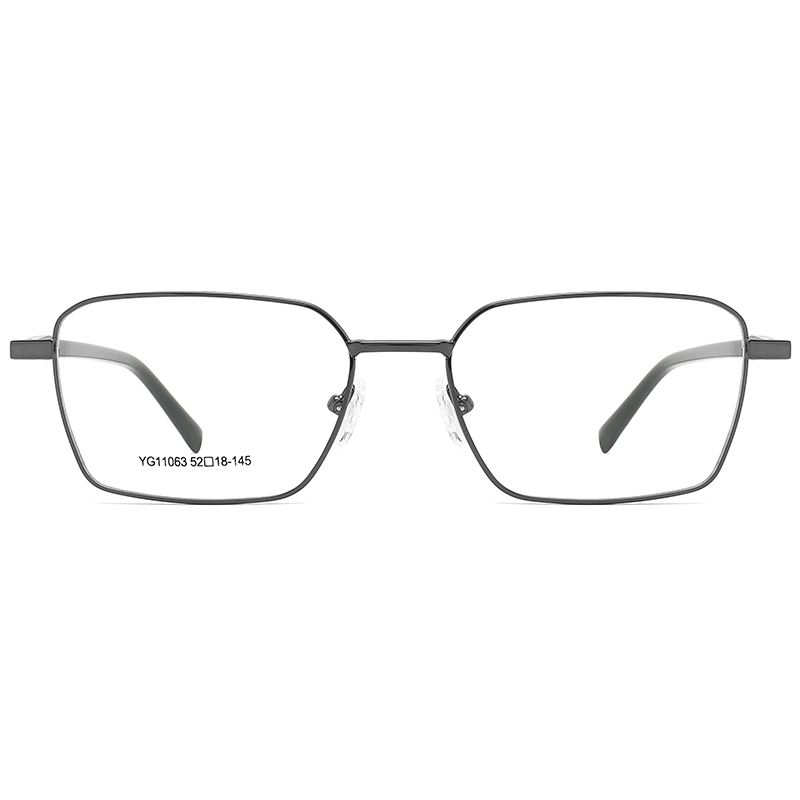
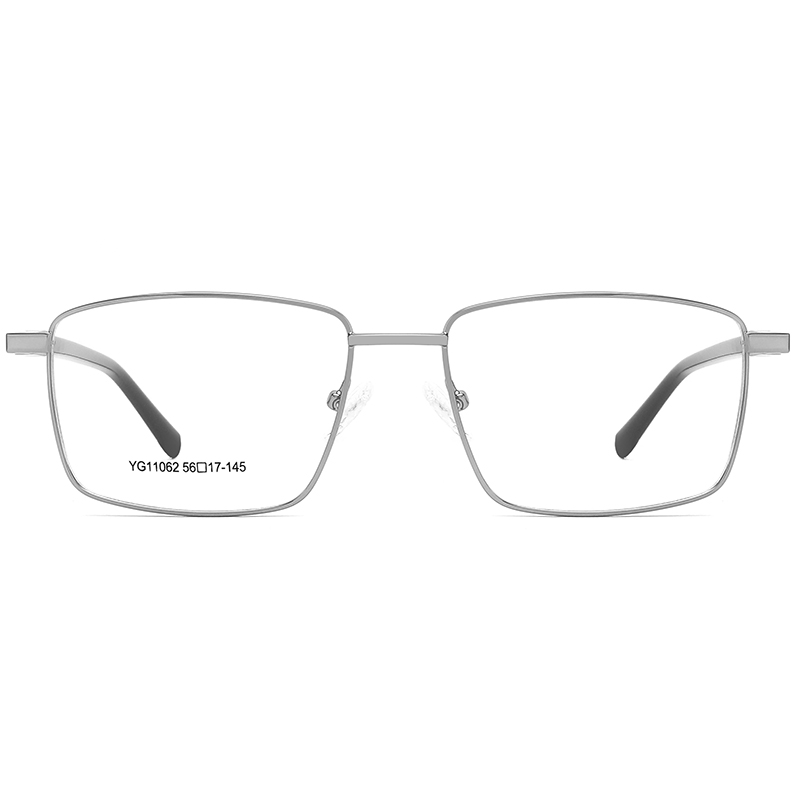
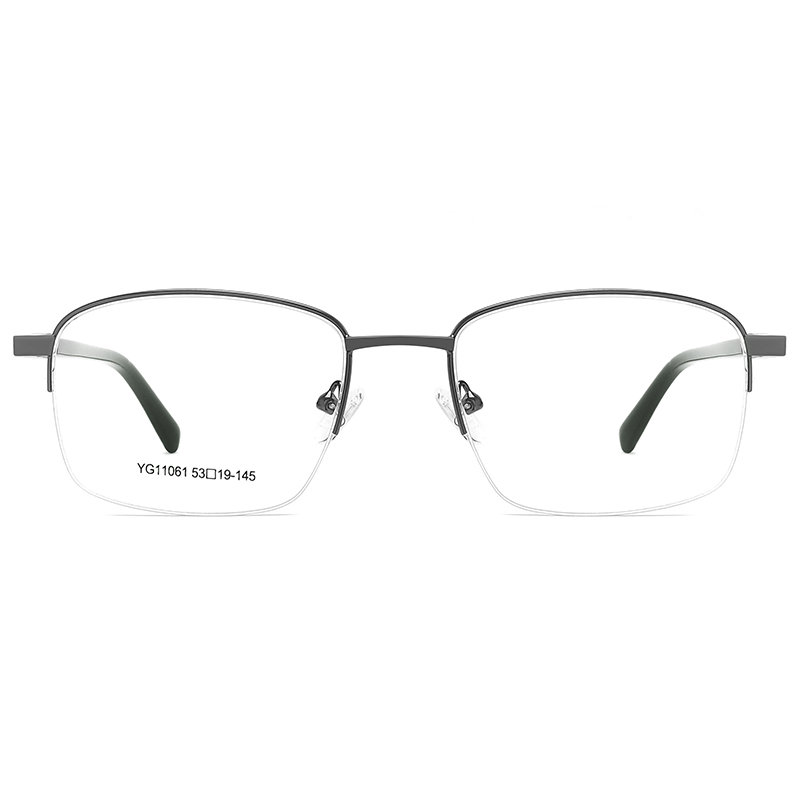
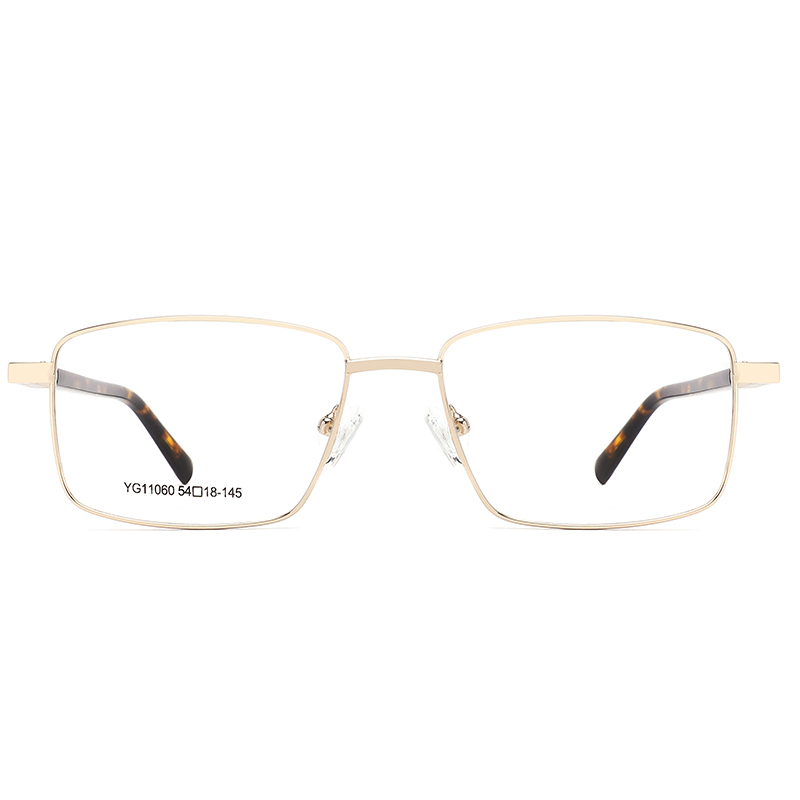
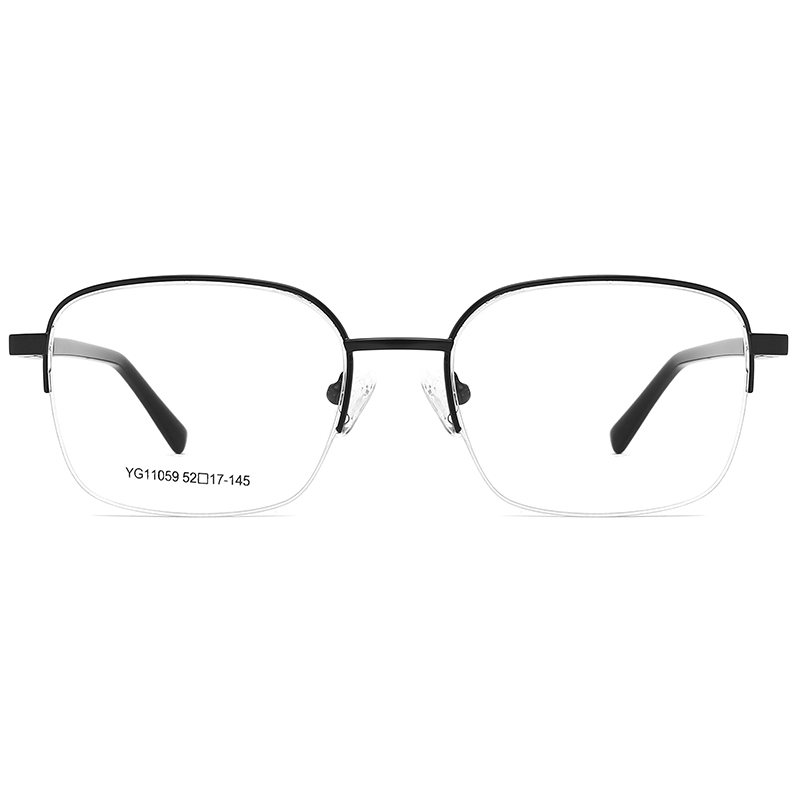
You’ve narrowed it down to two pairs. One is glossy acetate — chunky, retro, full of personality. The other is sleek metal — thin, precise, almost invisible on your face. Both fit your prescription. Both look good under showroom lights.
But here’s what those display mirrors won’t reveal: which one will still stay on your face by 4 PM, survive being tossed into a backpack, and look decent after 18 months of daily grind?
Most people pick by looks alone. Then real life happens. The acetate frames stretch out and start slipping down your nose. The metal frames leave angry red marks behind your ears. One develops a hairline crack at the temple. The other needs its screws tightened every other month.
Why Most People Choose Wrong (And Don’t Realize Until It’s Too Late)
I’ve looked at return data from dozens of independent optical shops. Here’s what jumps out: nearly 60% of “comfort” returns have nothing to do with fit or prescription. They’re about material mismatch — a fundamental disconnect between what a frame material can do and what a wearer’s daily life demands.
Acetate and metal aren’t just different aesthetics. They behave like completely different species across six critical dimensions:
-
Tolerance for heat (car dashboards in July)
-
Reaction to sweat (corrosion vs absorption)
-
Weight distribution (where pressure actually lands)
-
Adjustability (fixable with pliers or not)
-
Skin compatibility (allergies you didn’t know you had)
-
Long-term shape memory (whether they’ll still fit next year)
Understanding these differences turns a coin flip into an intentional decision.
The Acetate Reality: Comfortable, Bold, But Not Invincible
Cellulose acetate starts as cotton or wood pulp — yes, it’s technically plant-based. That explains both its charm and its limits.
Where acetate genuinely wins:
-
No nickel, no drama — Completely hypoallergenic per ISO 10993 biocompatibility standards. If your skin hates cheap jewelry, acetate is a safe bet.
-
Broad pressure distribution — The thicker temple spreads weight over a larger area. No single pressure point digs in.
-
Impact forgiveness — Drops onto tile or concrete? Acetate flexes and often survives. Metal bends and stays bent.
-
Stays put when sweaty — The slight surface tackiness means less sliding during humid days or workouts.
Where acetate quietly fails:
-
Heat is the enemy — Leave acetate frames on a car seat at 50°C (122°F) for 20 minutes. They soften. The temples spread. They never fully go back. ISO 12870 thermal cycling tests confirm permanent deformation above this threshold.
-
The slow creep — After 12–18 months of daily wear, acetate frames gradually stretch 2–4mm wider. You’ll notice because they start slipping down mid-sentence.
-
Fragile when thin — Thin acetate temples (under 4mm) snap at the hinge under stress. Repair requires professional sonic welding. Super glue? A joke. It fails in weeks.
According to an optical repair analysis of over 7,400 frames, acetate represented 62% of structural failure repairs — not because it’s weaker, but because people treat it like metal and are surprised when it breaks.
The Metal Reality: Precise, Durable, But Demanding
Optical metals fall into three real-world tiers: stainless steel (standard), titanium (premium), and monel (budget, but problematic).
Where metal genuinely wins:
-
Micro-adjustability — Nose pads and temple tips give you precision that acetate can’t touch. Crooked on your face? A 10-second adjustment fixes it.
-
Heat? What heat? — Metal shrugs off car dashboards, saunas, and summer hikes. Tested from -20°C to +60°C per ISO 12870, metal shows zero warping.
-
Lasts for years — Quality metal frames from reputable manufacturers show minimal structural change after 5+ years of daily use.
-
Thinner profile — Less frame material means less visual obstruction, especially important for high prescriptions where lens thickness already adds bulk.
Where metal quietly fails:
-
Nickel allergy is real — Up to 17% of women and 3% of men have nickel sensitivity . Monel frames (65% nickel) cause contact dermatitis within 48 hours — red, itchy, blistering skin behind the ears. Stainless steel (8–12% nickel) is better but not risk-free. Only titanium (0% nickel) is truly hypoallergenic.
-
Sweat eats metal — Salt spray testing per ASTM B117 shows unprotected steel components showing corrosion within 96 hours of sweat exposure. Hinge screws go first.
-
Bent is bent — Metal bends instead of breaking. But bent metal rarely bends back perfectly without professional tools and risk of fatigue fracture.
| Property | Cellulose Acetate | Stainless Steel | Titanium |
|---|---|---|---|
| Typical weight | 22–35g | 18–28g | 11–18g |
| Hypoallergenic | Yes (0% nickel) | No (8–12% nickel) | Yes (0% nickel) |
| Heat resistance | Poor (warps >50°C) | Excellent | Excellent |
| Sweat corrosion risk | Low (chemically resistant) | Medium–High (screws rust) | Low |
| Adjustability | Low (needs heat) | High (standard pliers) | Medium (special tools) |
| Typical lifespan | 1–3 years | 3–5+ years | 5–7+ years |
The Skin Reaction Nobody Warns You About
Here’s a conversation that almost never happens at the optical counter: "Do you break out from cheap earrings or belt buckles?"
That same person will have the same reaction to metal frames. Nickel contact dermatitis shows up 24–48 hours after first wear — red, inflamed skin behind the ears and on the nose bridge. Most people don’t connect the rash to their new glasses. They just assume the frames are "uncomfortable" and stop wearing them.
If you have sensitive skin or a known metal allergy, acetate is the obvious choice. If you want metal despite sensitivity, titanium is your only safe option. Stainless steel reduces risk but doesn’t eliminate it.
Population studies show nickel allergy affects approximately 8–15% of adults , with higher prevalence among women and people with pierced ears. For an optical retailer, that means roughly one in ten walk-in customers needs nickel-free frames — whether they've been diagnosed or not.
Four Real-Life Tests: Which Material Survives Your Day?
Let me walk through common scenarios. You’ll recognize at least one.
Test 1: The Parked Car (Summer Edition)
Outside temperature: 32°C (90°F). Inside your car after 30 minutes: 55°C (131°F). Acetate frames on the passenger seat? They soften. Temple spread increases permanently. By the time you put them back on, they feel loose. Metal frames? Unchanged. Titanium? Completely unfazed.
Winner: Metal (titanium especially)
Test 2: The 9-Hour Workday
Acetate distributes weight across the entire temple — broader surface area means less pressure per square centimeter. Metal concentrates weight at two points: nose pads and behind the ears. By 3 PM, metal frames leave deeper indentations. By 6 PM, some wearers develop low-grade tension headaches.
Winner: Acetate
Test 3: The Toddler Grab
A child snatches your glasses off your face. Acetate flexes, pops off, and usually survives a 1m drop onto carpet or wood. Metal bends at the bridge or hinge. Bent metal rarely bends back perfectly. Impact testing per ISO 12870 shows acetate absorbs more energy before fracture compared to monel and standard stainless steel.
Winner: Acetate
Test 4: The Humid Workout
Sweat drips onto your frames during indoor cycling or yard work. Metal hinge screws corrode over time. Acetate is chemically resistant to sweat — ISO 12870 sweat resistance testing requires 24-hour immersion in artificial sweat solution with no visible degradation. Metal nose pads also trap sweat, breeding bacteria and accelerating corrosion.
Winner: Acetate
The Hybrid Solution Most Brands Don’t Mention
Here’s what premium optical brands have known for years but rarely explain to customers: the best daily-wear frames aren’t pure acetate or pure metal — they’re a strategic blend.
A titanium core inside acetate temples gives you the best of both worlds. You get acetate’s comfort, warmth, and hypoallergenic surface. But you also get titanium’s structural rigidity and corrosion resistance. The metal core prevents the slow creep that pure acetate develops over 12–18 months. Your skin never touches metal, so nickel allergy is irrelevant.
These are often called combination frames or metal-core acetate. They’ve existed for decades but have only recently become affordable for everyday retail. Manufacturing complexity is higher — two materials, two production lines, more quality control. But the durability payoff is substantial.
Fatigue testing shows metal-core acetate frames maintain dimensional stability roughly 40% longer than pure acetate while keeping the same hypoallergenic and weight-distribution benefits.
The One-Minute Decision Guide
No single material is universally "better." The right choice depends entirely on your specific life.
Choose acetate if:
-
You have sensitive skin or known nickel allergy
-
You work indoors most of the time (limited heat exposure)
-
You want bold colors, tortoise patterns, or translucent looks
-
You’ve broken metal frames before by bending them
-
You dislike visible nose pads
Choose stainless steel if:
-
You need precise fit adjustments (nose pads allow micro-tuning)
-
You want the thinnest possible frame profile
-
You work in temperature-controlled environments
-
You have no history of metal allergies
-
You prefer minimalist, almost-invisible frames
Choose titanium if:
-
You want metal but have sensitive skin (0% nickel)
-
You need maximum lightness (under 18g per frame)
-
You’re willing to pay more for longevity
-
You wear glasses 12+ hours daily and want zero pressure points
Choose hybrid (metal-core acetate) if:
-
You want acetate’s look without the long-term stretching
-
You have sensitive skin but want metal’s structural benefits
-
You want "the best of both" and understand the price reflects complexity
-
You’re a retailer serving customers who don’t know their own material preferences yet

What Retail Buyers Should Ask Suppliers
If you’re sourcing frames for a retail shop, don’t accept marketing fluff. Ask these specific questions:
-
"What’s your nickel content on stainless steel frames?" (Acceptable: 8–12%. Better: "We offer titanium for sensitive customers.")
-
"Do you have ISO 12870 sweat resistance and thermal cycling reports for your acetate?" (Legitimate suppliers provide test summaries upon request.)
-
"What’s your expected temple width creep after 12 months of simulated wear?" (Pure acetate: 2–4mm. Metal-core acetate: under 1mm. Metal: zero.)
-
"Can you provide material documentation confirming your acetate is cellulose-based, not recycled mystery plastic?"
Your job isn’t to find one “best” material. It’s to match materials to your customer base. Beach town with high heat and humidity? Stock less pure acetate — focus on metal-core hybrids and titanium. Cold urban market with office workers? Acetate performs beautifully and costs less.
For retailers ready to carry a balanced inventory across all material types, explore current frame specifications here. Need help predicting which materials sell fastest in your specific climate and demographic? Request a merchandising consultation.