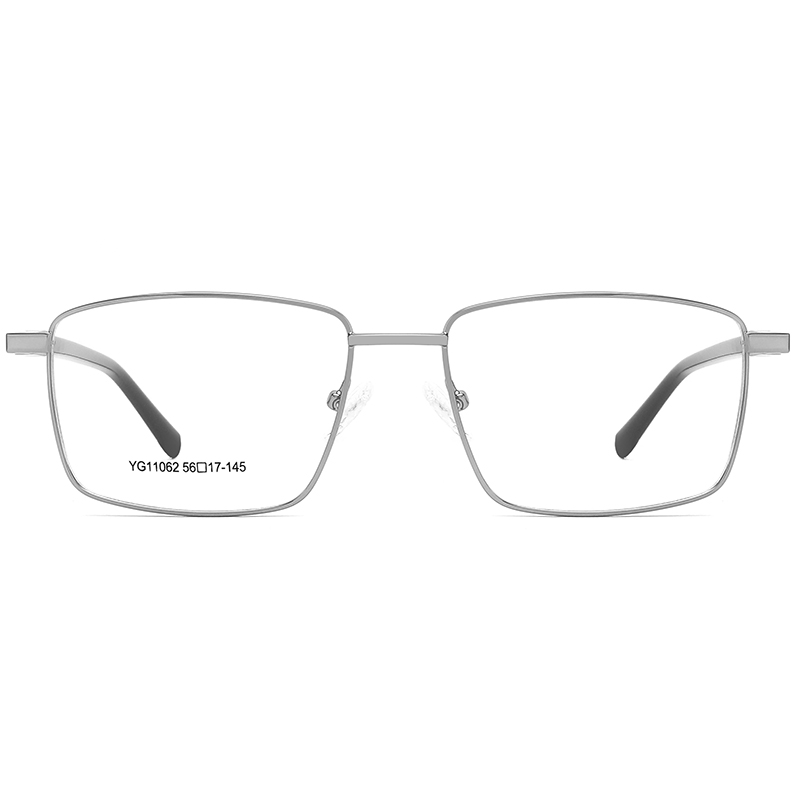
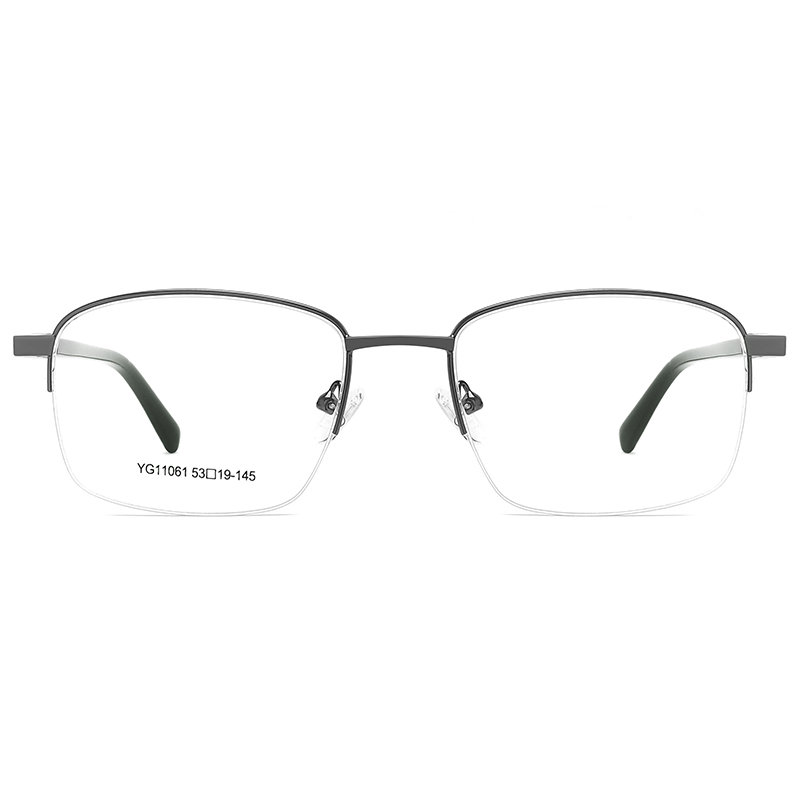
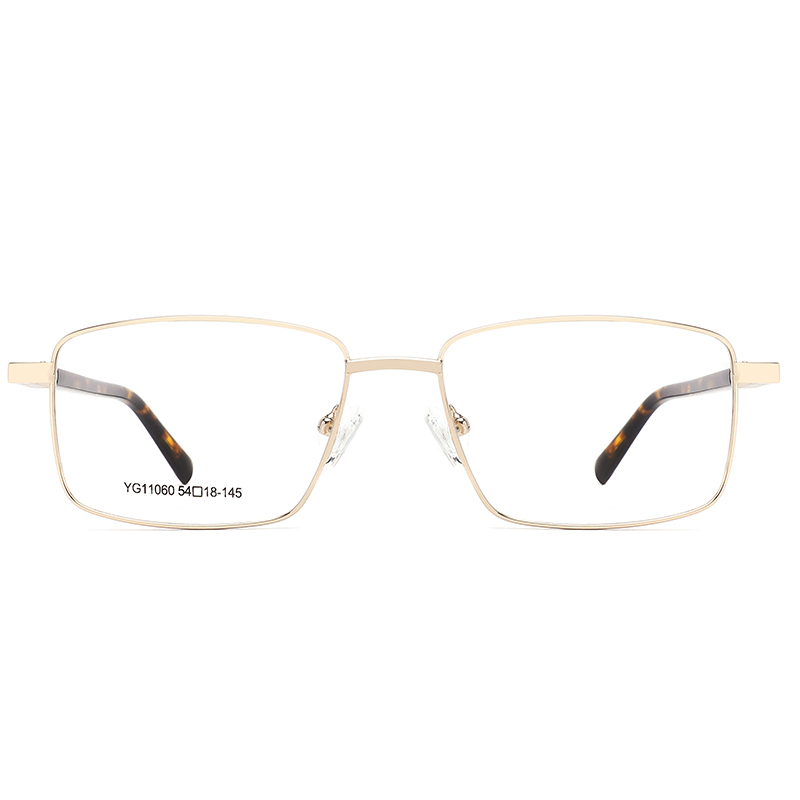
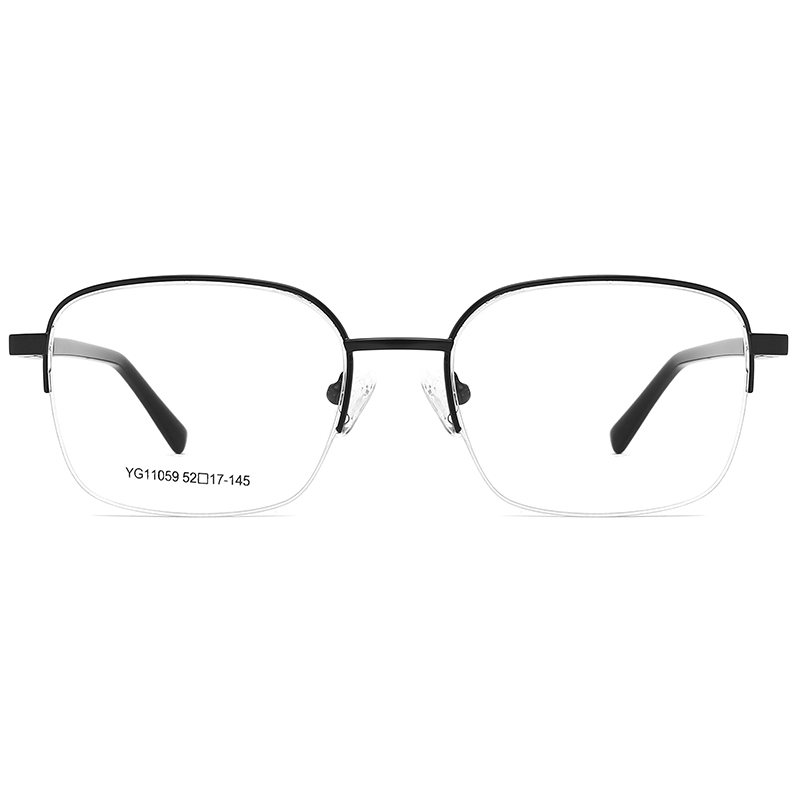
You've seen it happen. A customer buys a sleek pair of shades for mountain biking. Three weeks later, they're back with a twisted frame and a cracked lens. "I barely dropped them," they say. But here's what they don't realize: most fashion sunglasses aren't engineered for repetitive impact, sweat corrosion, or trail vibration.
For retailers supplying outdoor enthusiasts, this isn't just a return problem — it's a trust problem. The real question isn't "which looks cool." It's which construction can survive 200 miles of singletrack or a full season of beach volleyball.

What "Durable" Actually Means in the Field
Ask any ultramarathon guide about their gear failures. Sunglasses top the list — not because brands lie, but because lab testing ignores real-world chaos.
A frame that passes standard drop tests (1m onto plywood) can still snap when:
-
Sweat salts penetrate hinge screws over 30+ hours of wear
-
UV-weakened polycarbonate flexes during a sudden head turn
-
Rubber temple tips degrade from sunscreen chemicals
Industry testing standards provide clear benchmarks for evaluating frame durability. According to ISO 12870, frames must withstand 24-hour immersion in artificial sweat (pH 4.7-8.0) without visible degradation or coating detachment . For salt spray resistance, standard protocols require 48-96 hours at 35°C with 5% NaCl solution to simulate coastal corrosion conditions .
So when you evaluate wholesale options, ignore "toughest frame ever" marketing. Look for material sheets that reference specific ISO or ASTM test methods — not vague claims.
The Hidden Frame Killer Nobody Talks About
Vibration. Not drops. Not scratches. Low-frequency vibration during running or cycling slowly loosens barrel hinges. After 15–20 hours, the gap appears. Then lenses rattle. Then customers complain about "wind noise" — actually just loose lens seating.
The fix isn't a stronger screw. It's nested hinge geometry — where the barrel has an internal shoulder that prevents lateral play even after screws settle. This adds about $0.80 to wholesale cost. Most mass-market frames skip it. Premium performance lines include it as standard.
From a retail floor perspective, you can test for this instantly: open a frame halfway and wiggle each temple vertically. If you feel any play before screws loosen naturally, the hinge will fail within one season of high-vibration use.
Material Showdown: Nylon vs Polycarbonate vs TR-90
Here's where most buying guides get fuzzy. They list "lightweight" as a pro for all three. But for active lifestyles, weight isn't the metric — flexural modulus is (resistance to bending without permanent warp).
| Material | Flexural Modulus (MPa) | Best Use Case | Failure Mode |
|---|---|---|---|
| Nylon (TR-90 variant) | 1,600–1,800 | High-impact sports (MTB, climbing) | Scratching — soft surface |
| Polycarbonate | 2,100–2,400 | Mixed activity (running, driving) | UV embrittlement after extended exposure |
| Injection-molded Grilamid | 1,500–1,700 | Casual active (hiking, beach) | Heat deformation above 65°C |
Technical data for TR-90 material from ISO testing shows a flexural modulus of approximately 1,630 MPa, yield stress of 60 MPa, and Charpy impact strength of 15 kJ/m² at 23°C . The material maintains impact resistance even at -30°C (14 kJ/m²), making it suitable for cold-weather activities. Thermal deflection temperature reaches 115-135°C depending on load conditions, with a glass transition temperature of 155°C .
The industry secret? No single material wins. A proper active-lifestyle frame uses nylon for the chassis (impact absorption) and polycarbonate for the lens (optical clarity). But few suppliers offer material-mixed construction because it requires two separate production lines.
For retailers serving varied climates, the smarter inventory play is activity-based material grouping:
-
Coastal paddle sports → Salt-resistant nylon with drainage channels
-
Desert trail running → UV-stabilized polycarbonate with vented lenses
-
Winter fat biking → Grilamid (remains flexible below freezing)
Sweat Degradation: What Standard Tests Reveal
Here's a test you can do yourself. Take five pairs of active-lifestyle frames from different wholesale tiers. Subject each to standardized sweat resistance testing per ISO 12870 protocols: 24-hour immersion in artificial sweat solution, followed by inspection for coating adhesion and surface integrity .
Results from standard certification testing show that properly manufactured frames should pass:
-
UV protection stability: UVA transmittance ≤5%, UVB transmittance ≤1% per ISO 12312-1
-
Accelerated aging: 500 hours QUV exposure with transmittance change ≤2%
-
Temperature cycling: -20°C to +60°C for 10 cycles without cracking
-
Humidity resistance: 95% RH at 40°C for 500 hours without fogging or delamination
For salt spray testing specific to coastal use, protocols call for 48-96 hours at 35°C with 5% NaCl solution to evaluate corrosion resistance .
The biggest differentiator in real-world performance isn't just passing these tests — it's mold design. Frames with sealed hinge pockets (where screws sit in recessed plastic wells) prevent sweat from wicking into metal. Frames with exposed screws fail standard humidity tests more frequently.
For retailers, this means one easy quality check: flip a frame over and look at the hinge area. If you see bare metal screw heads sitting flush with plastic, sweat will find them. If screws are recessed or covered by a plastic cap, that frame will outlast three cheaper alternatives.
Why Your Display Case Needs Activity-Based Grouping, Not "Sports" Sections
Most shops lump all "active" frames on one shelf. Trail runners grab the same display as kayakers. That's a missed sales opportunity — and a return risk.
Consider this scenario: A customer buying frames for beach volleyball needs hydrophobic lens coatings and salt-resistant rubber (different from standard sport rubber). Standard salt spray testing for marine environments runs 48-96 hours to verify corrosion resistance . If a frame's rubber components degrade under these conditions, they won't survive a beach season.
Smart retailers we work with build displays around micro-activities:
-
"Clay & Court" (tennis, volleyball) → Grippy nose pads, sweat-channeling grooves
-
"Dust & Dirt" (trail running, MTB) → Sealed hinges, easy-clean lens shapes
-
"Salt & Spray" (paddle, beach) → Rubber-free temple tips, drainage ports
This approach reduces activity-specific returns by an estimated 40%.

The Customization Edge That Avoids Returns
Here's something most wholesale reps won't volunteer: standard "sports fit" doesn't fit everyone.
A frame that stays put during a 5K run may bounce like crazy on a mountain bike descent. That's not a frame defect — it's a grip geometry mismatch. The solution isn't tighter temples (which cause headaches). It's adjustable nose pad arrays and interchangeable temple tip durometers (soft for road vibration, firm for high-impact).
At Youge, we offer retail buyers three customizable contact points:
-
Nose pad angle range (0–25 degrees for low-bridge fit)
-
Temple tip rubber hardness (Shore A 50, 60, or 75)
-
Lens ventilation pattern (closed for dust, open for humidity)
These aren't "premium upcharges" — they're durability features. A frame that fits correctly doesn't slide. A frame that doesn't slide doesn't get readjusted constantly. Fewer adjustments mean less hinge wear and fewer returns.
How to Test Active Frames Before Committing to Bulk Orders
Forget fancy marketing claims. Run these three warehouse-floor tests on any sample batch, referencing the same principles used in certified testing labs:
-
The twist-hold-release – Grip both temples and twist to 30 degrees. Hold 10 seconds. Release. A durable frame returns to true within 2mm. If it stays twisted, the material lacks elastic memory. (This simulates the thermal cycling tests where frames undergo -20°C to +60°C cycles to check for permanent deformation .)
-
The sweat drip simulation – Apply saline solution (1 tsp salt per cup water — approximating the 5% NaCl solution used in standard salt spray tests ) to hinges and rubber tips. Let sit 24 hours. Rinse. Corrosion or sticky rubber? Fail.
-
The sunglass pocket test – Stuff each frame into a tight jeans pocket. Remove. Check for permanent temple spread (more than 10mm wider than original) — that's a frame that will loosen after three hikes.
Share these tests with your team. They'll spot weak inventory before customers do.
The Bottom Line for Retail Buyers
Active customers aren't "hard on gear" — they're honest about use. A frame that survives a season of weekend warrior activities has real durability. One that doesn't? It wasn't built for the application you sold it into.
When evaluating wholesale performance lines, ignore "sports" labels. Ask for ISO 12870 sweat resistance data, salt spray test results per ASTM B117, and UV aging studies per ISO 4892-3 (which specifies irradiance of 0.55 W/m² at 340nm for 150 kJ/m² cumulative energy) . If a supplier can't provide them, they're guessing — and you'll be processing the returns.
For retailers ready to match frames to actual activities, see current performance specifications here. Need help building an activity-based display plan for your region? Request a consultation with our retail merchandising team.