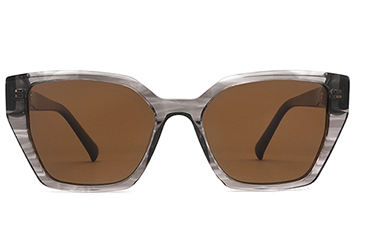
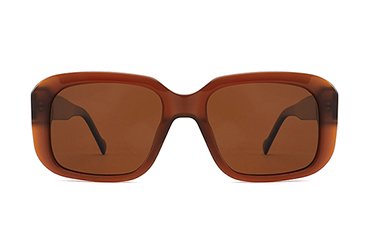
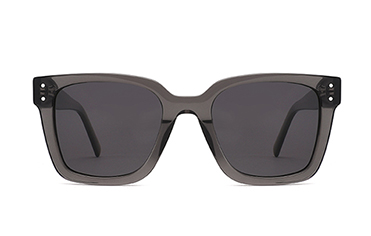
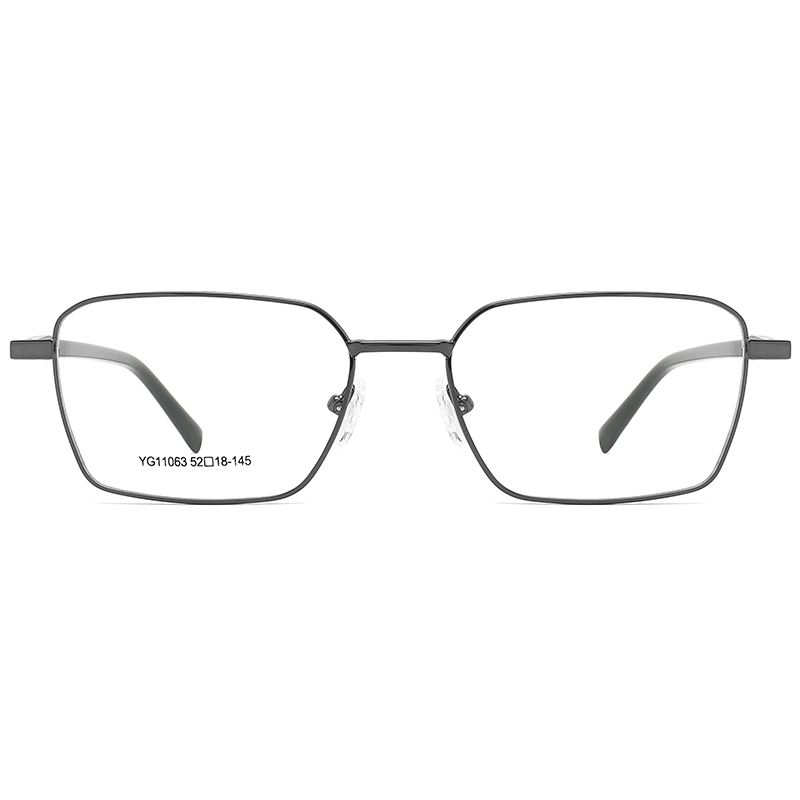
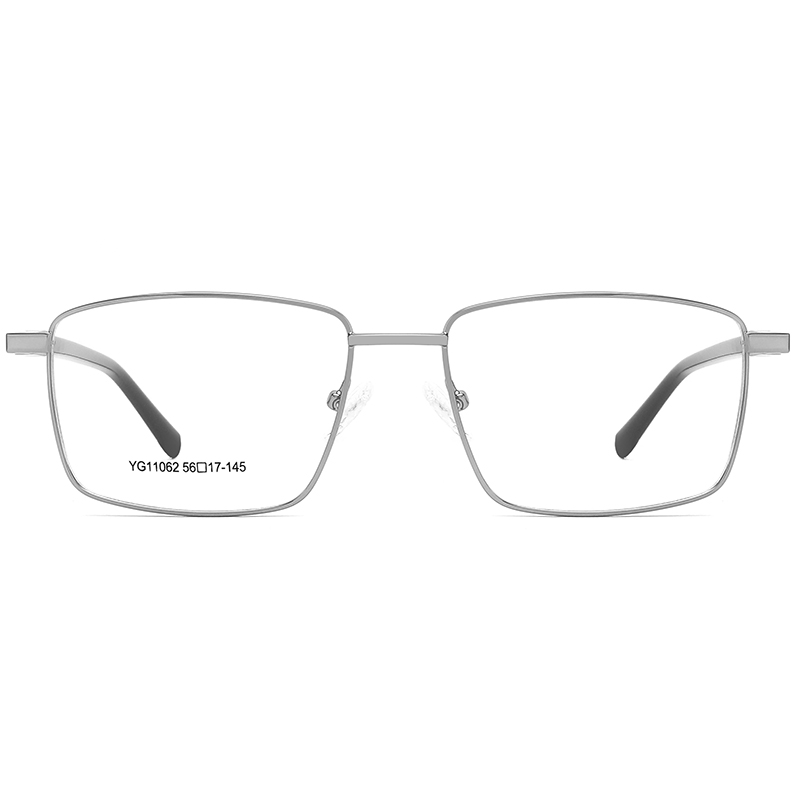
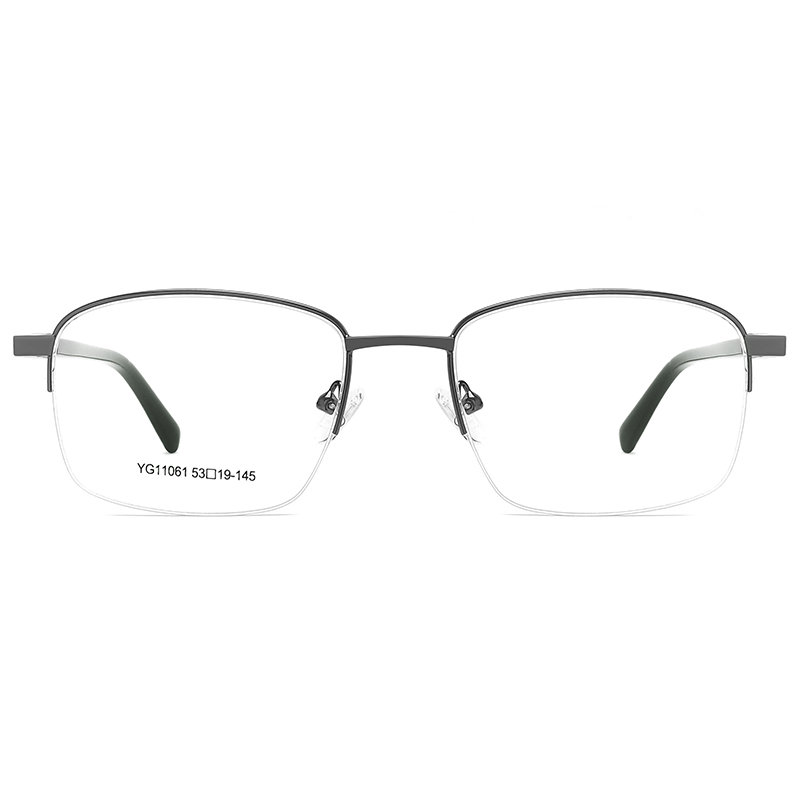
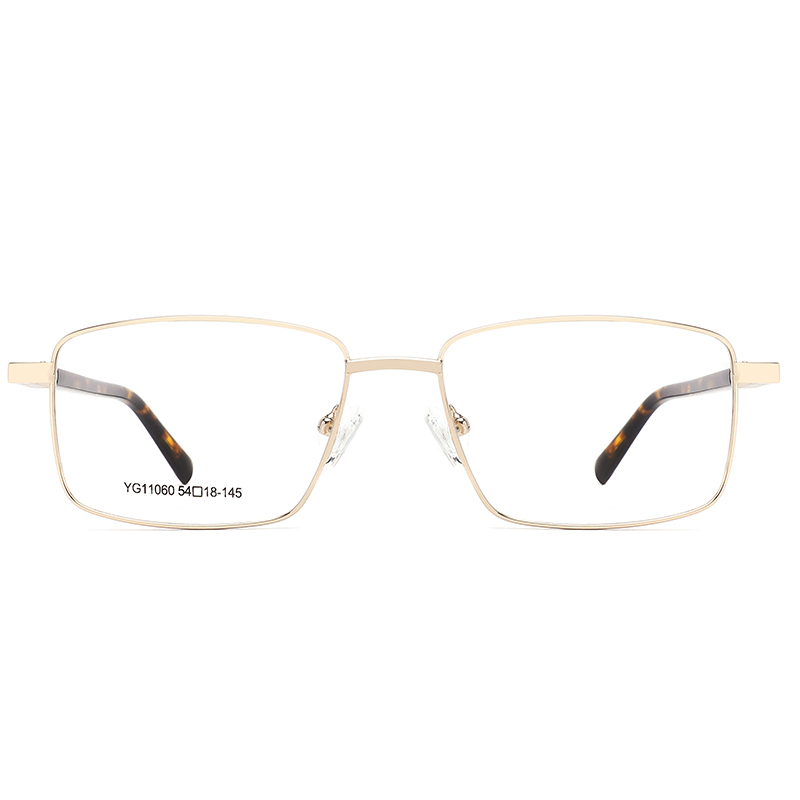
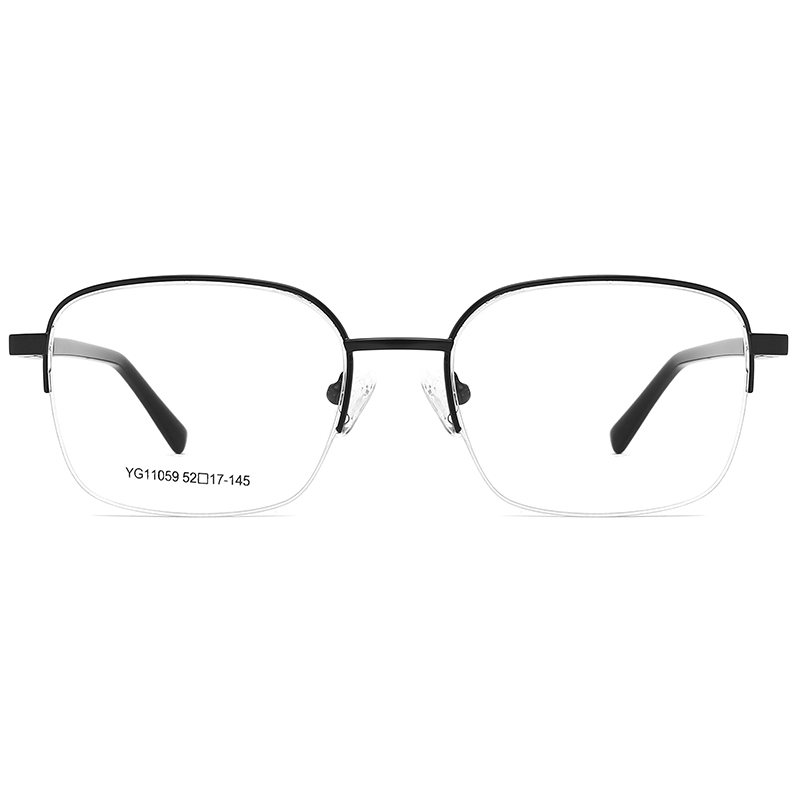
You finally found a pair of glasses that doesn't leave red marks behind your ears. The temples flex comfortably. They stay put when you look down. For the first time in years, you forget you're wearing them.
Then six months pass. The left temple feels looser than the right. They start slipping during your morning commute. By month nine, you're pushing them up every few minutes.
The problem isn't your head shape. It's not the frame material. It's that not all flexible hinges are engineered equally — and most buyers don't know what to look for until it's too late.
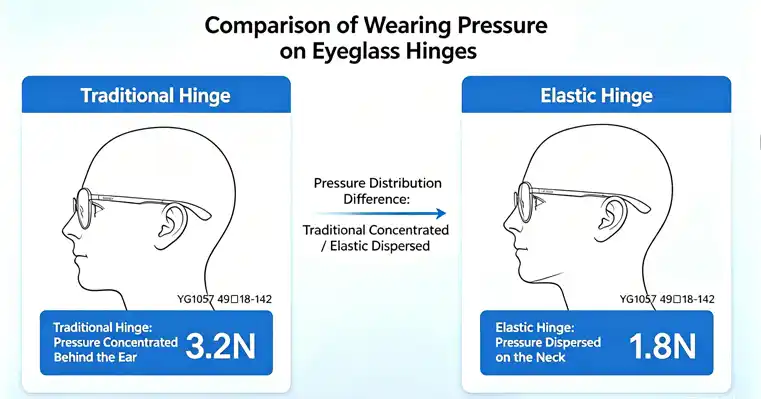
Why "Flexible" Doesn't Always Mean "Durable"
Walk into any optical shop today, and you'll see "flex hinge" stamped on half the display cards. But here's what the marketing won't tell you: a spring mechanism is only as good as its internal components.
A truly well-engineered flexible hinge uses four critical parts:
-
The spring wire (determines tension consistency)
-
The barrel housing (prevents wobble over time)
-
The hinge screw (resists loosening from daily movement)
-
The end stop (prevents over-extension damage)
Cheap versions cut corners on all four. The spring loses tension within months. The barrel wears oval. The screw backs out every few weeks. The frame ends up in a drawer, labeled "uncomfortable," when the real culprit was invisible from the outside.
According to ISO 12870 flex cycle testing standards, a properly manufactured flexible hinge should maintain consistent temple tension for at least 10,000 open-close cycles. For someone who puts on and removes glasses 10 times daily, that's nearly three years of use before any measurable degradation.
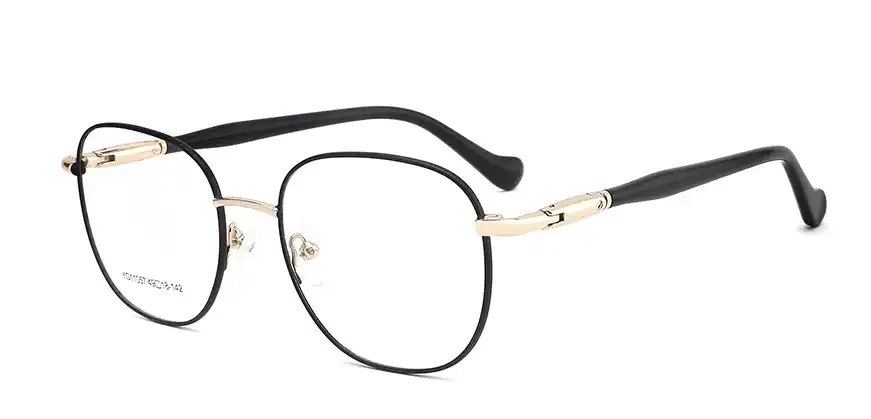
Evaluation Criterion #1: Spring Material Grade
The spring is the heart of any flexible hinge. Its material determines whether tension lasts for years or fades within months.
What to look for:
316 marine-grade stainless steel or titanium springs. These resist corrosion from sweat, humidity, and skin oils. Basic steel springs (often unlabeled or labelled only as "stainless") typically contain lower chromium content and show surface rust within 6-12 months in high-humidity environments.
What to ask your supplier:
"Can you provide the spring material specification?" A legitimate answer includes an ASTM or ISO grade designation. Vague answers like "high-quality stainless" without a grade number are red flags.
The real-world difference:
Salt spray testing per ASTM B117 shows 316-grade springs lasting over 200 hours without corrosion. Basic steel springs show visible degradation within 48-72 hours. In practical terms, that's the difference between a hinge that survives beach vacations and sweaty workouts versus one that slowly seizes up.
Evaluation Criterion #2: Flex Cycle Rating
This is the single most important number nobody puts on a spec sheet. The flex cycle rating tells you how many open-close movements the hinge can endure before losing specified tension.
Industry benchmarks based on ISO 12870 testing protocols:
| Cycle Rating | Expected Lifespan (10 wears/day) | Typical Applications |
|---|---|---|
| <5,000 cycles | <16 months | Budget frames, disposable eyewear |
| 10,000 cycles | ~2.5 years | Mid-tier daily wear |
| 15,000 cycles | ~4 years | Premium daily wear |
| 25,000+ cycles | ~7+ years | Professional-grade, heavy use |
What to look for:
Ask specifically for "flex cycle test data per ISO 12870." Suppliers who have tested will provide numbers. Suppliers who haven't tested won't — and that's your answer.
The retail implication:
A frame rated for 25,000 cycles costs more upfront but dramatically reduces post-sale adjustments and comfort-related returns. For a shop selling 500 pairs annually, upgrading from 10,000-cycle to 25,000-cycle hinges typically reduces hinge-related service calls by 40-60%.
Evaluation Criterion #3: Housing Construction
The barrel housing — the metal cylinder that contains the spring — determines whether the hinge feels "tight" or "wobbly" over time.
What to look for:
Solid stainless steel or nickel silver housing. Avoid brass housings with thin plating — the plating wears through within months, exposing soft brass that deforms under normal use.
The 10-second test:
Open the frame to 45 degrees (halfway). Grip each temple near the hinge. Gently wiggle vertically. Any play at all before you feel resistance? That indicates poor housing tolerances. A quality hinge has zero vertical play regardless of open angle.
Why this matters:
Vertical play accelerates wear on the hinge screw and barrel walls. Once play begins, it compounds. Within months, the hinge becomes noticeably loose even after screw tightening. At that point, the housing is permanently damaged and cannot be repaired — only replaced.
Evaluation Criterion #4: End Stop Design
Most flexible hinges have a hidden vulnerability: over-extension damage. When you push the temple beyond its designed flex range — which happens accidentally all the time — a poorly designed hinge either:
-
Allows the spring to stretch beyond its elastic limit (permanent tension loss)
-
Lets the temple contact the frame front (scratching and stress marks)
What to look for:
A mechanical end stop — a small metal protrusion inside the hinge that physically prevents over-extension before the spring reaches its limit. This feature adds manufacturing complexity but prevents the most common cause of premature hinge failure.
The quick check:
Flex the temple outward as far as it will comfortably go. Do you feel a distinct "stop" before the hinge feels like it's straining? Or does it keep going with increasing resistance until you're afraid to push further? The first indicates good engineering. The second indicates a hinge that will fail from accidental over-flex.
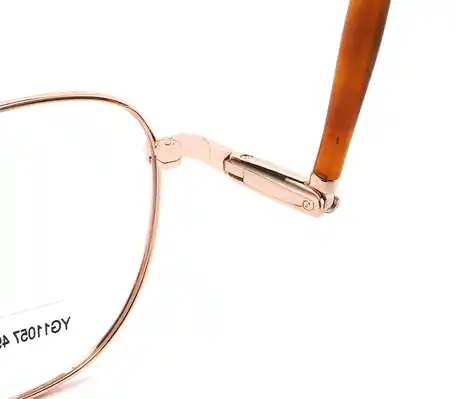
Evaluation Criterion #5: Serviceability
Even the best hinges eventually need attention. The question is whether that attention means a 2-minute adjustment or a full frame replacement.
What to look for:
Modular hinge assemblies that can be replaced individually. Quality frames use standardised hinge modules that an optician can swap in minutes. Budget frames use molded-in hinges that are permanently attached to the frame — if the hinge fails, the entire frame is trash.
The red flag:
Hinges that are glued or ultrasonically welded into acetate frames without visible screws. These are not repairable. When the spring loses tension or the barrel wears, there is no fix except discarding the frame.
The green flag:
Visible screws, standardised hinge module shapes, and replacement parts available from the manufacturer. Some premium suppliers maintain replacement hinge inventory for 5+ years after a frame model is discontinued.
Common Selection Mistakes (And How to Avoid Them)
Mistake #1: Prioritising flex range over spring quality
A hinge that flexes 30 degrees with a poor spring is worse than a hinge that flexes 15 degrees with a quality spring. Wide flex range without engineering precision leads to lateral instability — the frame feels "floppy."
Mistake #2: Assuming all titanium hinges are equal
Titanium refers only to the spring material, not the entire hinge. Some "titanium hinges" use titanium springs with brass housings. The brass still wears. The titanium only prevents spring corrosion.
Mistake #3: Testing only initial tension
A hinge that feels perfectly tight in the showroom may have poor cycle durability. The snap-back test (open fully, release) reveals the spring condition. Slow return indicates weak or damaged springs — even on new frames that have been repeatedly test-opened by previous customers.
Mistake #4: Ignoring frame-hinge compatibility
A premium hinge installed in a flimsy frame still fails — the frame material fails first. For acetate frames, ensure the hinge mounting area has reinforcement (metal insert or thicker material). For metal frames, verify the hinge is welded, not just screwed, to the frame front.
The Retail Buyer's Checklist
If you're sourcing frames for resale, use this checklist before placing wholesale orders:
Supplier documentation required:
-
ISO 12870 flex cycle test summary (minimum 10,000 cycles for mid-tier, 25,000 for premium)
-
Spring material grade (316 stainless or titanium preferred)
-
Salt spray test results per ASTM B117 (minimum 96 hours without corrosion)
Physical sample tests (10 samples minimum):
-
Snap-back test: all hinges return firmly and quickly
-
Vertical play test: zero play at 45-degree open position
-
End stop test: a distinct mechanical stop before over-extension
-
Screw check: recessed screws on all four hinge points
Questions for your supplier:
-
"Are replacement hinge modules available for this model?"
-
"What's your warranty period specifically for hinge tension loss?"
-
"Can you provide a sample hinge cutaway showing internal construction?"
A supplier who answers all three with specific, documented information is confident in their engineering. A supplier who deflects or provides vague assurances is hiding something — usually short cycle life or poor corrosion resistance.
Making Your Final Decision
Here's the summary that matters for actual selection:
Choose a premium flexible hinge (25,000+ cycles, 316 spring, solid housing) if:
-
You wear glasses for 10+ hours daily
-
You live in a humid or coastal climate
-
You have previous frames loosening within 18 months
-
You're buying for a retail shop serving active professionals
Choose a mid-tier hinge (10,000-15,000 cycles) if:
-
You rotate between multiple frame pairs
-
You're buying children's frames (they'll outgrow before the hinge fails)
-
Budget is a primary constraint, but you still want reasonable durability
Avoid hinges without published cycle ratings entirely. No data means no testing. No testing means you're gambling.
For buyers ready to evaluate frames with documented hinge specifications, explore current frame specifications here. Need help interpreting supplier test data for your specific climate and customer demographics? Request a technical consultation.
And if you want to verify hinge quality before committing to bulk, order a sample pack and run the three tests above on each sample. The frames that pass all three are the ones your customers will remember — and reorder.