You‘ve walked the floor of your optical shop a hundred times. The display cases tell a story: a row of unpurchased styles gathering dust next to empty slots where last season’s bestsellers once sat. Inventory doesn‘t move. Cash sits locked in frames that no one wants. Meanwhile, your customers are walking out empty-handed because the style they asked for isn't in stock.
Carrying sunglasses is supposed to be a money-maker. The global sunglasses market reached USD 41.6 billion in 2025 and is projected to hit USD 59.0 billion by 2034. Retail optical gross margins on eyewear run roughly 61 percent, with top performers pulling 66–75 percent on frames. That margin potential doesn't materialize by accident. It comes from knowing what moves, buying at the right volume, and partnering with suppliers who understand that optical shops need flexibility — not factory-sized minimum orders.
What sunglass styles actually turn in optical retail
Not every pair of sunglasses belongs in your optical shop. The styles that move depend on your location, your clientele, and what's trending nationally. But certain patterns hold true across retail.
The hybrid category — prescription-ready sunwear
Optical shops have a built-in advantage over clothing boutiques and department stores. Your customers come to you for vision correction first. The easiest upsell is a second pair of prescription sunwear. Patients who already trust you with their everyday glasses are natural candidates for polarized prescription lenses in a frame they’ve already tried on. This category doesn't compete with online discounters — it's unique to optical retailers.
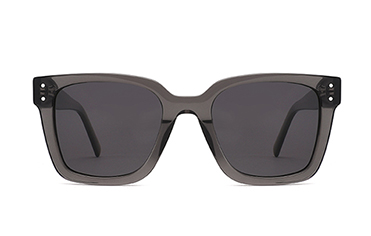
Many of your patients don't realize they can put prescription lenses into fashion-forward sunglass frames. They assume prescription sunwear means bulky, unattractive wraparounds. They're wrong. Acetate frames from suppliers like Youge Optical accept cut lenses, and with 3% free accessories available, the economics work even for smaller volume orders.
The 360-degree flexible hinge advantage
A growing segment of the market prioritizes comfort alongside style. Frames that adjust to the wearer‘s facial curvature rather than forcing the face to fit the frame solve a real customer problem — especially for patients who wear their sunglasses for hours at a stretch, driving or walking outdoors. The patented 360° Flex series uses a dynamic nose bridge with a three-stage hinge system that covers 92% of European and American facial features. When you can offer a frame that fits the majority of walk-in customers with minimal adjustment, your conversion rate improves.
Sporty silhouettes and outdoor demand
Active lifestyles continue to drive sunglass purchases. Sporty wrap frames and aerodynamic shapes aren‘t just for professional athletes. The weekend cyclist, the daily runner, the parent chasing kids at the park — these customers want sunglasses that stay put and block glare. Polarized sport sunglasses with UV400 protection and impact resistance are non-negotiable for this segment. If your shop caters to an active clientele, you're leaving money on the table without dedicated sport frames.
Below is a reference table for sunglass style categories and their typical optical shop performance:
| Style Category | Turn Rate | Typical Customer | Key Selling Point |
|---|---|---|---|
| Prescription sunwear | High | Existing prescription patients | Dual functionality — vision correction + sun protection |
| 360° flex hinge | Medium-High | Comfort-focused wearers | One-time fit adjustment, no ongoing pressure points |
| Sporty wraparound | Medium | Outdoor enthusiasts, cyclists, runners | Secure fit, glare reduction, impact resistance |
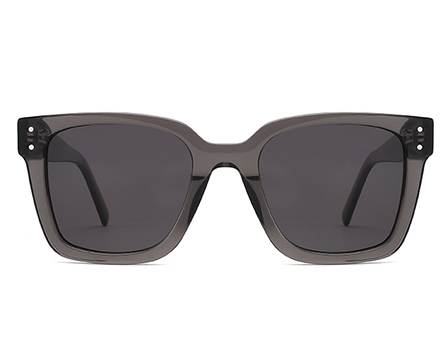
| Classic acetate (square, round) | Medium | Fashion-conscious adults | Timeless shape, wide color variety, accepts prescription lenses |
| Oversized / statement | Low (seasonal) | Trend-driven buyers | High visual impact, strong instagram appeal |
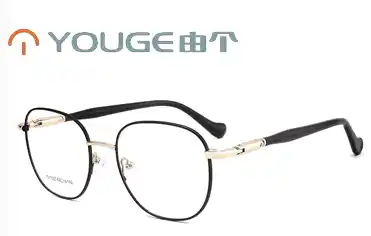
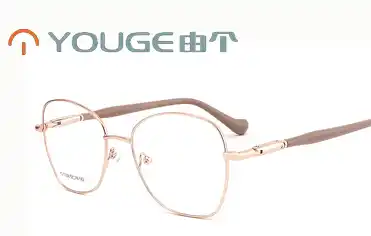
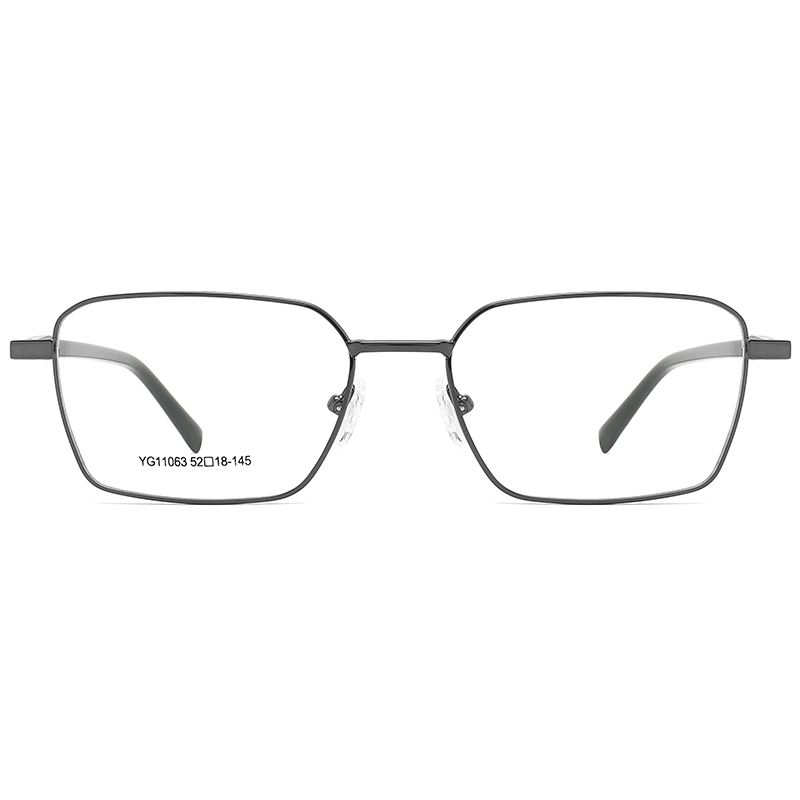
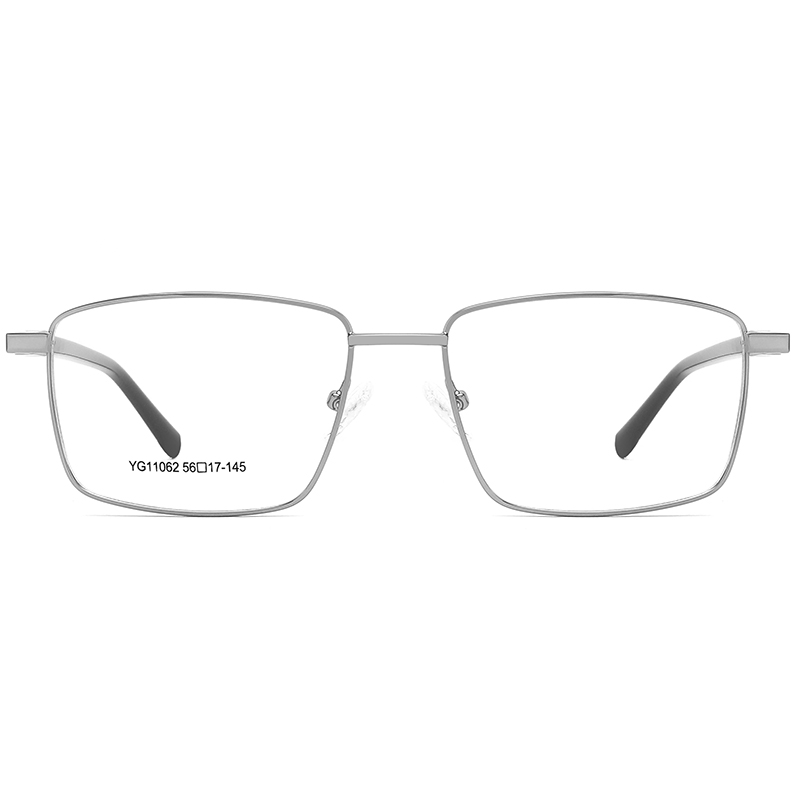
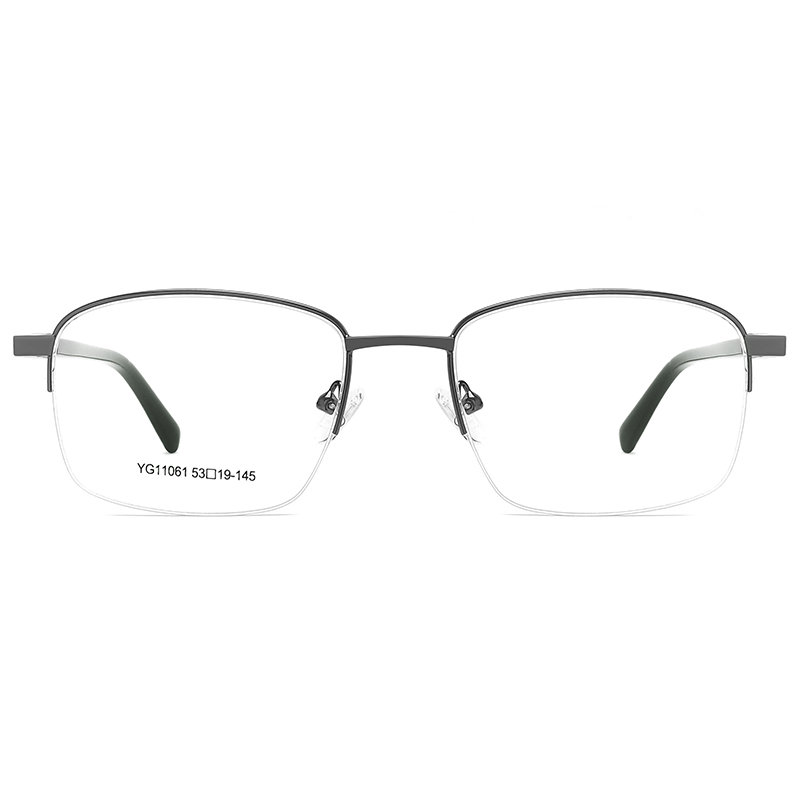
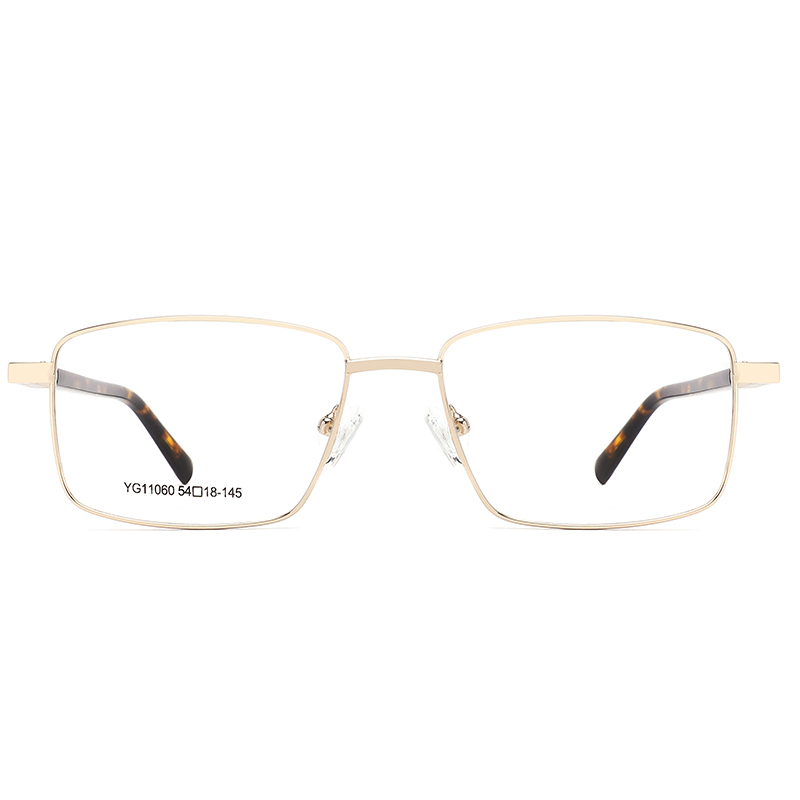
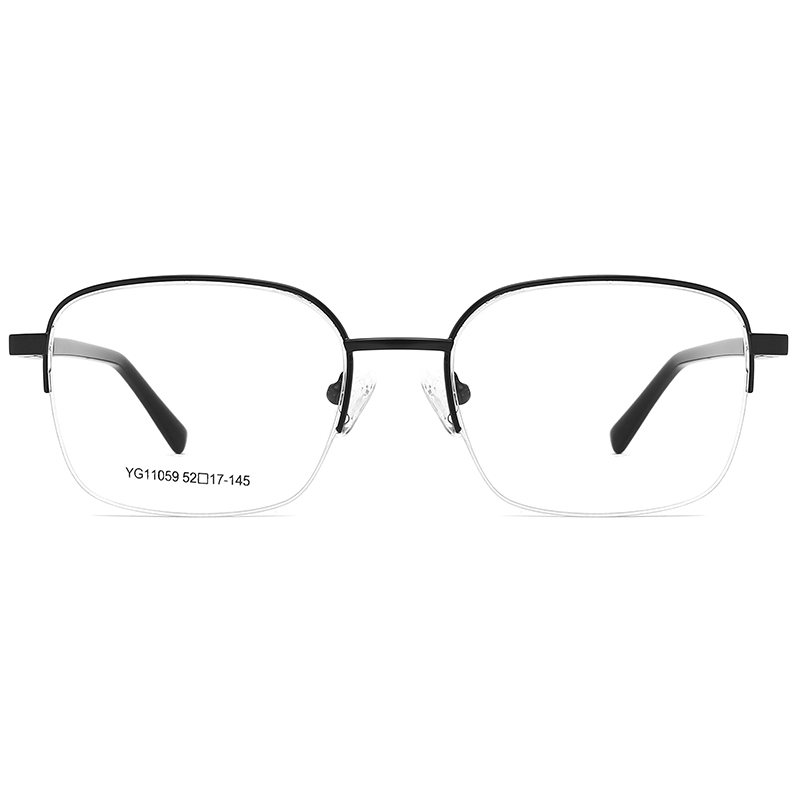
| Metal slim frames | Low-Medium | Minimalist professionals | Lightweight, understated, pairs with formal wear |
Why MOQ and delivery speed matter more than price
Optical buyers often start negotiations with price per piece. That's a mistake. The real financial risk in sunglass inventory isn't paying a few dollars extra per frame — it's ordering too many units of the wrong style.
The 12-piece single SKU advantage
Most wholesale sunglass suppliers require minimum orders of 50–200 pieces per style. That forces you to guess — often months in advance — which frames will move. A single missed trend leaves you with a dozen unsold units tying up shelf space and capital.
Some suppliers recognize this problem and design their wholesale model around smaller minimums. Youge Optical‘s single SKU, 12-piece delivery model allows shops to test a style with minimal financial exposure. If a style sells out within two weeks, you reorder with confidence. If it sits, you’ve learned something at low cost — and you‘re not stuck with a warehouse full of dead inventory.
In eyewear retail, the median gross profit margin runs about 61 percent, or approximately 2.9 times the cost of goods. At those margins, a single fast-moving style can pay for five slow styles. Your goal isn't to guess perfectly every time. It's to make each guess cheap enough that you can afford to be wrong occasionally.
3–7 day shipping as a competitive weapon
Fast delivery changes the math of inventory management. When reorder cycles stretch to 4–6 weeks, you have to forecast demand weeks in advance — inevitably leading to overstock on some styles and stockouts on others. When your supplier ships in 3–7 days, you can operate leaner. A hot style sells out. You place a reorder on Monday. It arrives before the next weekend. Your shelf never sits empty during peak sales periods.
Local warehousing makes this possible. Self-stocking suppliers with inventory on hand in your region eliminate cross-border shipping delays and customs bottlenecks. For Youge Optical‘s partner network, that means optical shops in 2000+ locations worldwide restock quickly without complex logistics planning.
Sourcing mistakes that silently kill sunglass revenue
Sunglass procurement looks straightforward until you’ve eaten the cost of a batch that won‘t move. Experienced buyers watch for these specific pitfalls.
Buying discontinued frames because the price is good
Suppliers occasionally offload discontinued styles at steep discounts. The price per piece looks irresistible. But there’s a reason those frames are being cleared out — they stopped selling. Your customers haven‘t suddenly developed a taste for last year’s shapes. Buying discontinued inventory to “save money” converts your optical shop into a clearance warehouse for the manufacturer. Your floor space is valuable. Don’t fill it with frames other retailers already rejected.
Chasing counterfeits to compete on price
Genuine sunglass frames carry UV400 certification, consistent lens tinting across the batch, and reliable hinge welds. Counterfeit products look similar but fail where it matters — irregular polarization, weak UV protection claims, hinges that loosen within weeks. Selling counterfeits also damages customer trust irreparably when a “good deal” turns out to be a cheap frame. Verified suppliers with transparent manufacturing — including factory visits, lab reports, or in-factory videos — reduce this risk. The cost difference between authentic and counterfeit frames is small compared to the cost of a lost patient.
Over-committing to seasonal trends
Trend pieces — oversized cat-eye frames, colorful mirrored lenses, futuristic geometric shapes — generate buzz and social media posts. They also fall out of fashion quickly. A core collection of classic acetates and sporty wraparounds provides steady, predictable revenue. Trend pieces provide excitement. A healthy inventory mix allocates no more than 20–25% of sunglass floor space to high-fashion seasonal items. The rest goes to styles that sell year after year.
The optical buyer‘s FAQ on sunglass procurement
Q: How do I choose between acetate frames and metal frames for my optical shop’s sunglass assortment?
A: The answer depends on your customer demographic. Acetate frames command higher perceived value, accept cut lenses readily, and offer vibrant color options that appeal to fashion-forward buyers. Metal frames feel lighter on the face and appeal to customers who prioritize minimalism and professional aesthetics. For most optical shops, a 60/40 split in favor of acetate works well — acetates drive visual appeal and margin, while metals satisfy the customer who wants something “invisible.”
Q: What certifications should I demand from a sunglass wholesale supplier before placing my first order?
A: UV400 certification for full UV protection is non-negotiable. For polarized lenses, request documentation of polarization testing. Suppliers who maintain in-house laboratories for UV400 testing, polarized lens testing, and fall ball testing demonstrate a commitment to quality control beyond basic claims. Youge Optical manufactures glasses using CNC precision turning rims and environmentally friendly plating, both of which improve frame stability and comfort over purely injection-molded alternatives.
Q: How many sunglass SKUs should a typical optical shop carry?
A: Unlike general retail stores that might carry 500 SKUs, optical shops can easily manage over 2,000 SKUs across frames and lenses. For sunglass-specific inventory, 100–150 active SKUs provides sufficient breadth across style categories without overwhelming your display cases. Within that, stock the 80/20 principle applies — 20% of your sunglass styles will generate 80% of sunglass revenue. Identify those heroes quickly and keep them reliably in stock.
Q: What‘s the best way to test a new sunglass style without risking excessive capital?
A: Place your first order at the supplier’s minimum MOQ — for many reliable suppliers, that‘s 12 pieces per SKU. Display the style prominently for 30 days. Track customer interactions: how many pick it up, how many ask about price, how many try it on. If you sell through 50% of the batch within 30 days, order a larger second batch immediately. If you’ve sold fewer than 3 pieces, mark the remaining for clearance and do not reorder. This test-and-learn approach turns inventory management into a data-driven process rather than a guessing game.
Practical steps to improve sunglass inventory turnover
If your sunglass inventory turns less than twice per year, you have a problem. Here‘s how to improve it.
Apply the 80/20 rule ruthlessly
Pull a sales report from the last six months. Identify the top 20% of sunglass styles by revenue. Double down on those styles. Reorder them more aggressively. Give them prime display space. The bottom 50% of styles — the ones generating minimal revenue — need a plan. Mark them down, bundle them as promotions, or return them to the supplier if your agreement allows. Do not let slow movers occupy premium shelf space indefinitely.
Build a reorder trigger system
Waiting for stock to hit zero before reordering creates lost sales. Establish a minimum quantity threshold for each active SKU. When stock falls below that threshold, the reorder process starts automatically. For high-turnover styles, that threshold might be 6 pieces. For moderate styles, 3 pieces. For experimentals, 1 piece left means it‘s time to decide: reorder or retire.
Rotate displays seasonally
Sunglasses are seasonal products for most markets. Your spring-summer display should emphasize lighter colors, sporty shapes, and high UV protection messaging. Your fall-winter sunglass assortment — yes, customers still buy sunglasses in winter for travel and snow glare — can shift toward darker lenses and metal frames. Rotating displays also refreshes the retail environment, encouraging regular customers to explore new options each visit.
How Youge Optical supports optical shop buyers
The relationship between an optical shop and its sunglass supplier shouldn’t be adversarial. It should be collaborative. Youge Optical‘s wholesale model reflects this philosophy: low minimum orders, fast shipping, and support for private labeling and custom packaging.
Partnering with Youge means accessing optical-grade frames built with CNC precision turning and environmentally friendly plating. The 360° Flex series solves a common customer complaint — frames that pinch after hours of wear — by adjusting dynamically to facial curvature. With annual production capacity of 1 million finished pairs and a 12,000+ square meter factory, Youge has the scale to deliver consistently without losing attention to individual customer needs.
Customization options include OEM and ODM services, allowing optical shops to build their own branded sunglass lines or co‑brand frames with their shop logo. 3% free accessories are available on request — cut lenses, slingshot screws, and other consumables that make it easier to offer complete solutions to end customers.
Before you place your next sunglass order, pull your inventory turnover report. Identify the styles that aren‘t pulling their weight. Then contact Youge Optical with your target style categories, preferred frame materials (acetate or metal), and desired order volume per SKU. Their team can help you build a starter assortment that balances core classics with testable trend pieces — without forcing you to overcommit.
Ready to refresh your sunglass assortment with a wholesale partner who understands optical shop inventory? Contact Youge Optical with your current bestsellers, target price point per frame, and preferred material types (acetate, metal, or 360° Flex series). Their team can recommend a starter assortment that turns quickly without locking up your working capital.