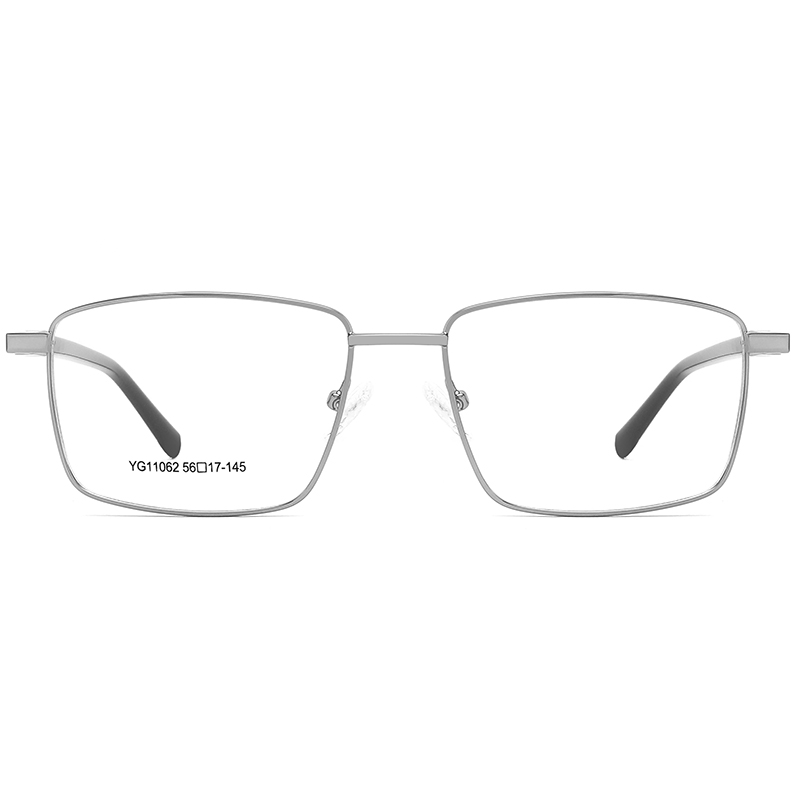
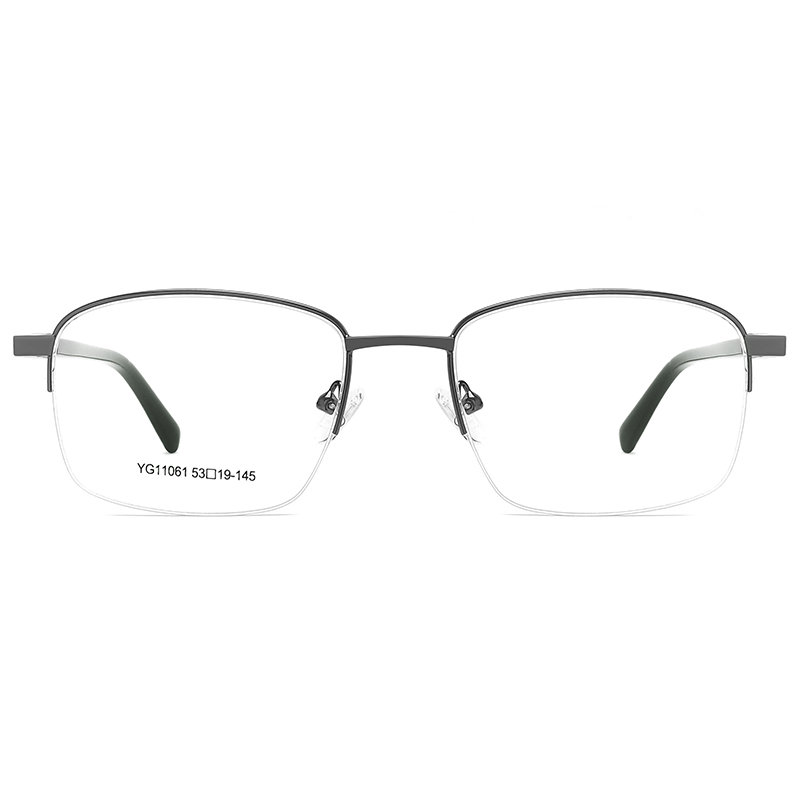
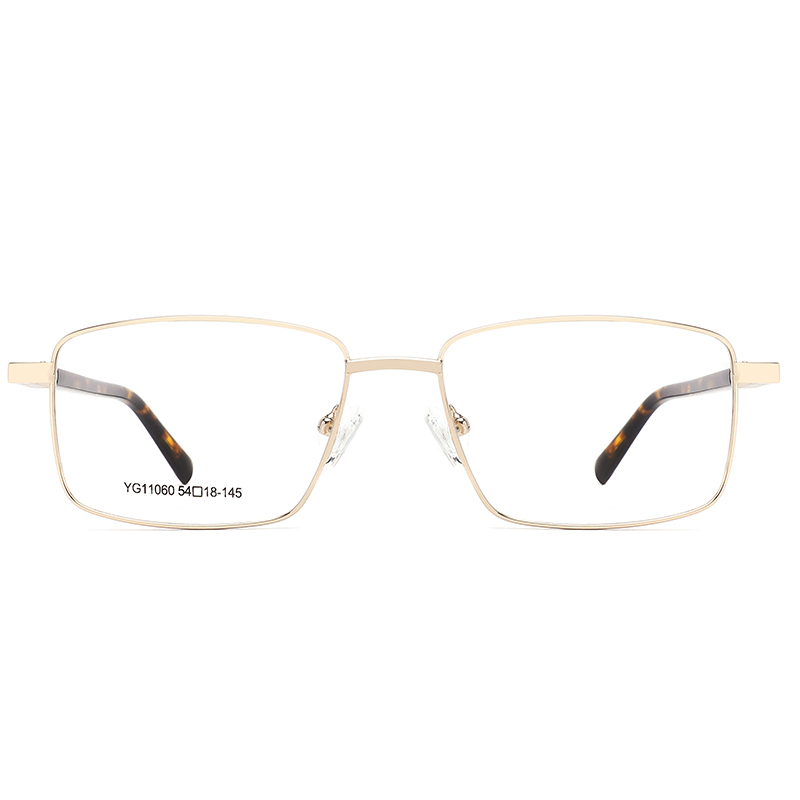
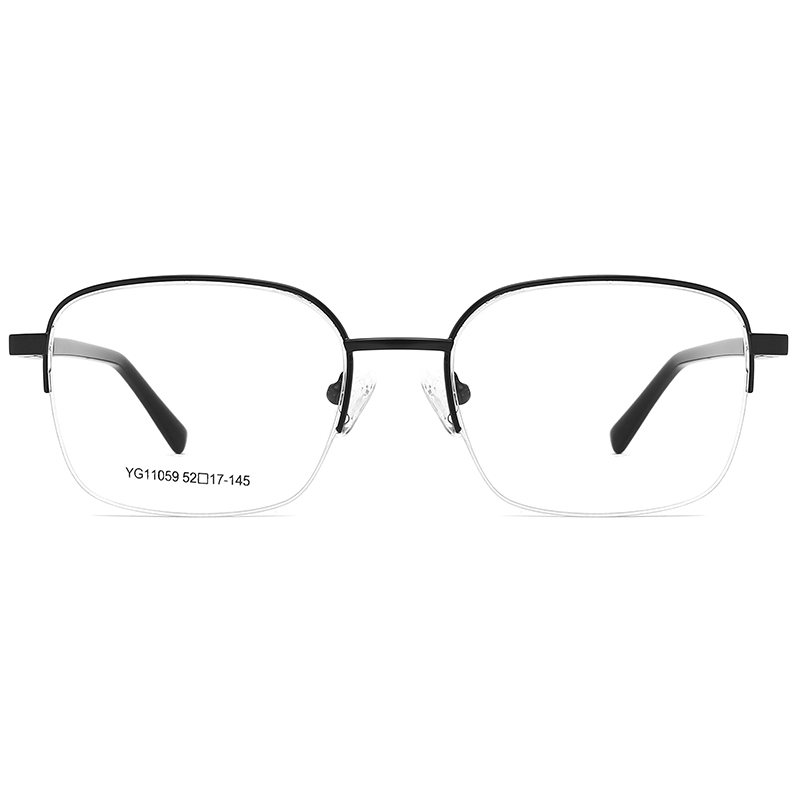
Picking new eyeglasses often feels like a maze. You want something lightweight but durable, stylish yet practical. Here’s the direct answer: Acetate frames offer premium feel and unique patterns, while TR-90 excels in extreme flexibility and featherlight comfort. Your choice depends entirely on your daily activities and style priorities.
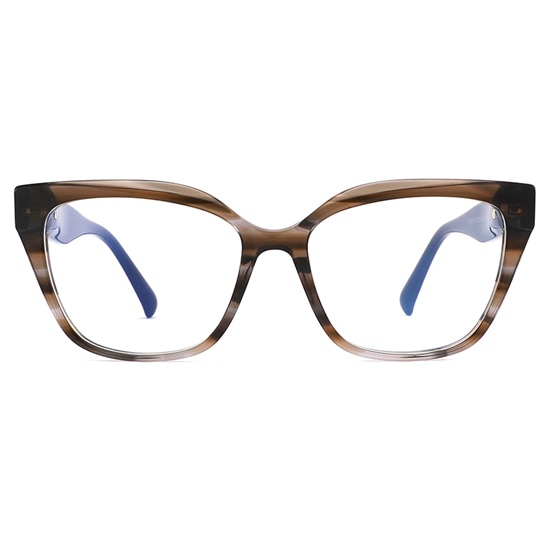
What Makes Acetate a Crowd Favorite for Handcrafted Frames?
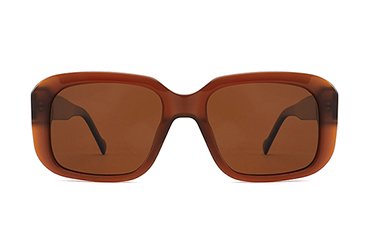
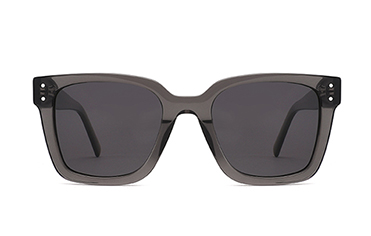
Acetate has dominated the high-end fashion segment for decades. Derived from natural cotton and wood fibers, this material develops a rich patina over time. Unlike cheaper plastics, acetate doesn’t warp easily under normal use.
Real-world scenario: Imagine wearing acetate frames during a full workday plus an evening dinner meeting. The slight weight (typically 20-30 grams) reminds you of their presence without causing nose bridge fatigue. Many professionals prefer acetate for that subtle statement of craftsmanship.
However, acetate has quirks. In extreme heat—think leaving them on a car dashboard in summer—the frames can lose shape. Also, initial fitting requires professional adjustment because acetate doesn’t snap back like springy materials.
TR-90: The Athlete’s Silent Partner
Originally developed for sports goggles, TR-90 (a thermoplastic material) revolutionized active lifestyle eyewear. Its superpower? Memory retention. You can twist TR-90 frames 180 degrees, and they return to original shape.
Scenario for TR-90: Parents of toddlers swear by TR-90. Why? Little hands grab, bend, and drop glasses constantly. TR-90 survives these “durability tests” without snapping. Same applies if you’re into trail running, CrossFit, or simply have a clumsy morning routine.
The weight difference is dramatic. TR-90 frames often weigh under 15 grams—barely noticeable. But here’s the trade-off: TR-90 typically offers limited color options. Most are solid colors without acetate’s signature translucence or layered patterns.
Comfort Showdown: Which Material Forgives Your Unique Face Shape?
Let’s break down daily wear factors:
Acetate:
-
Warm to touch (not cold like metal)
-
Adjustable via heat for customized nose bridge fit
-
Requires 3-5 days to “break in”
-
Better for low-prescription lenses (thicker lenses add weight)
TR-90:
-
Skin-temperature neutral
-
Pre-adjusted with flexible spring hinges
-
Zero break-in period
-
Ideal for high-index lenses (weight distribution matters more)
Data point: A 2023 survey of 1,200 eyeglass users found 67% prioritized weight for full-day wear, but 58% switched to acetate for formal events. This suggests many people own both—one for work, one for weekends.
Durability Tests: Dropping, Bending, and Everyday Chaos
Acetate frames crack under sharp impact. Drop them on concrete from chest height—there’s a 30% chance of hinge damage. But they resist chemical exposure better than TR-90 (hairspray, sunscreen, cooking oil won’t ruin acetate finish).
TR-90 frames laugh at drops. I’ve seen pairs survive being stepped on (lightly). However, TR-90 dislikes acetone-based cleaners—the surface can develop micro-cracks. Also, after 3-4 years, TR-90 may lose some flexibility, becoming brittle in freezing temperatures.
Long-tail consideration: If you work in outdoor construction or humid environments, TR-90’s moisture resistance wins. Acetate absorbs small amounts of water, potentially causing slight expansion in tropical climates.
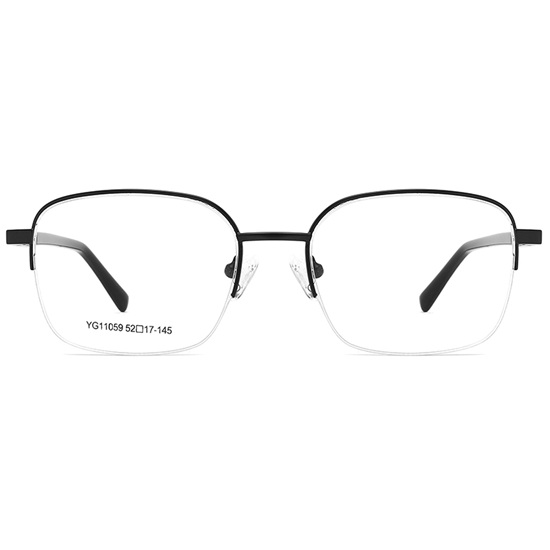
Style Flexibility: Why Acetate Remains the Designer’s Darling
Acetate sheets come in over 10,000 color combinations. Makers layer transparent and opaque sections, creating depth impossible with injection-molded TR-90. Customized engraving also works better on acetate—lasers leave crisp, permanent marks.
TR-90 limits you to batch-produced colors. While brands offer 50+ shades, each frame looks identical. No swirl patterns, no tortoiseshell variations. For boutique fashion houses, acetate remains the only choice.
But here’s an insider tip: Some premium manufacturers now apply hydrographic printing on TR-90, mimicking wood or marble textures. The feel differs (slightly slicker), but visual variety improves.
Price Reality Check
| Feature | Acetate | TR-90 |
|---|---|---|
| Entry price | $80-150 | $40-80 |
| Premium tier | $200-500+ | $100-180 |
| Replacement parts | Expensive (hand-cut) | Cheap (mass-produced) |
| Repair difficulty | Moderate (needs heat) | Easy (snap-fit hinges) |
The cost difference reflects manufacturing. Acetate frames require 8-12 weeks from raw sheet to finished product (cutting, tumbling, polishing, assembly). TR-90 injection molding produces a frame every 90 seconds.
Which One Survives Your Specific Lifestyle? A Decision Matrix
Answer these 3 questions:
-
Do you wear glasses 14+ hours daily? → TR-90 minimizes fatigue
-
Is eyewear part of your personal brand? → Acetate offers uniqueness
-
Do children or pets interact with your face frequently? → TR-90’s flexibility saves money
Personal take: After testing both for years, I use TR-90 for travel and workouts. For client meetings and dinners, acetate frames communicate attention to detail. There’s no universal winner—only the right tool for each context.
Where to Find Your Perfect Balance of Style and Comfort
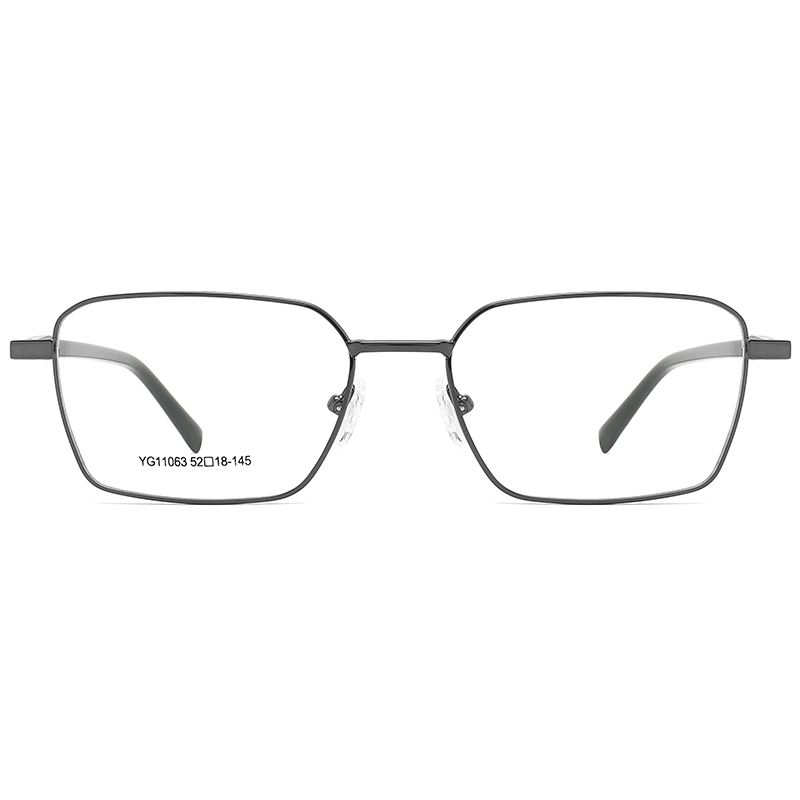
This is where optical glasses designed by Youge bridge the gap. While most brands force you to choose extremes, Youge’s engineering team developed hybrid constructions: acetate fronts for aesthetic depth, TR-90 temples for flexibility.
Explore the hybrid collection to see how they merged acetate’s visual richness with TR-90’s practical benefits. Their customization service lets you specify:
-
Nose bridge width (14-22mm options)
-
Temple length (135-155mm in 2mm increments)
-
Lens shape variations (7 classic silhouettes)
For readers needing prescription lenses above -6.00, Youge recommends their TR-90 series because weight distribution prevents slipping. The acetate line suits artists and designers who want frames as distinctive as their work.
The Verdict: Keep Both, But Know Your Primary
Start with one material based on your dominant weekly activity. If you sit at desks 50+ hours weekly, acetate’s heft feels grounding. If you’re always moving between meetings and gym sessions, TR-90 disappears on your face.
Pro tip for online shopping: Request material samples. Youge’s frame material kit includes 2cm squares of both acetate and TR-90. Feel the texture difference, test flexibility, even scratch them with keys. That 30-second tactile experience beats reading 10 reviews.